Hearrise
Deaf Jobs In India
Deaf jobs in India, done differently. AI-powered matching connects skilled Deaf people with inclusive employers. Build your ISL video profile today.
500+ Inclusive Employers
AI matched deaf jobs in India
ISL interpretation
How Hearrise helps you find deaf jobs in India?
You have the skills. We connect you to employers in India who are ready to hire.
Create Your ISL Profile
Record a short sign language video introducing yourself. Our AI auto-captions it instantly.
Get AI-Matched Deaf Jobs in India
Deaf jobs in India, matched to your exact skills and experience — from 500+ inclusive employers, powered by AI.
Get Interview Ready
The moment an interview is confirmed, we assign a certified ISL interpreter and send the employer a structured interview guide.
FOR CANDIDATE
Stop searching for deaf jobs in India. Start getting matched.
- Upload your ISL video profile.
- Get matched to deaf jobs in India based on skills, not keywords.
- Real-time interview prep with AI-generated guides.
- Track applications with smart status updates.
FOR EMPLOYERS
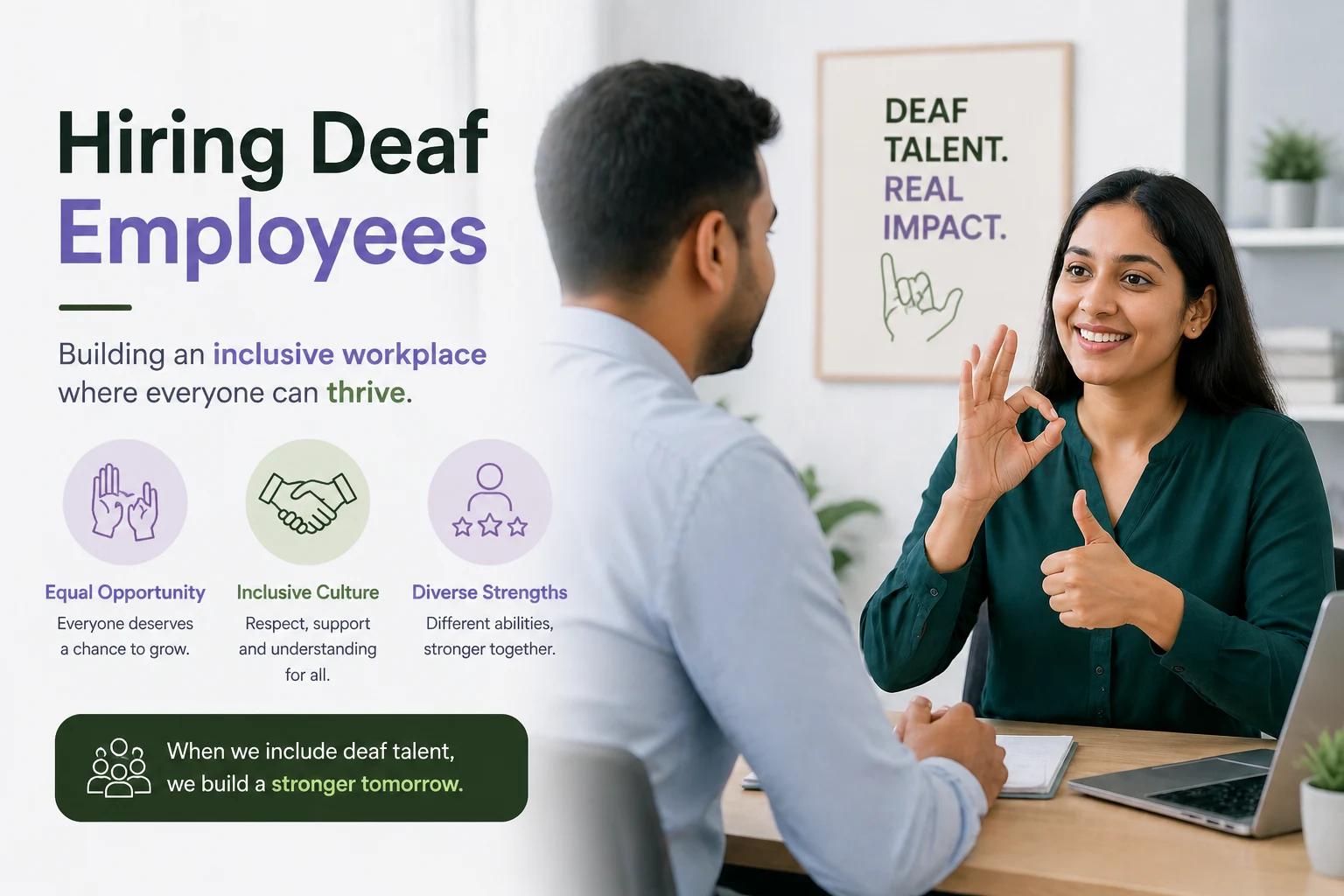
Join 500+ inclusive employers already hiring deaf talent by skills, not keywords. Full ISL support included.
- Personalised inclusion plan to help you hire deaf candidates across India
- Adaptive microlearning for your HR team
- Communication monitoring to prevent exclusion
- Auto captioning for every meeting
- Structured interview guides generated automatically
Why is Hearrise Building Better Deaf Jobs in India?
Because talent was being ignored not missing.
Most job platforms were never built for deaf individuals in India. They rely on resumes, keywords, and spoken communication, leaving skilled people behind.
But what about someone who communicates differently?
- No sign language profiles.
- No interpreter support.
- No system designed for them.
Deaf jobs in India existed. But thousands of skilled, capable deaf people across India never got the chance to reach them.
That’s where Hearrise changes the game.
We built a platform where:
- Skills come first not whether you can hear
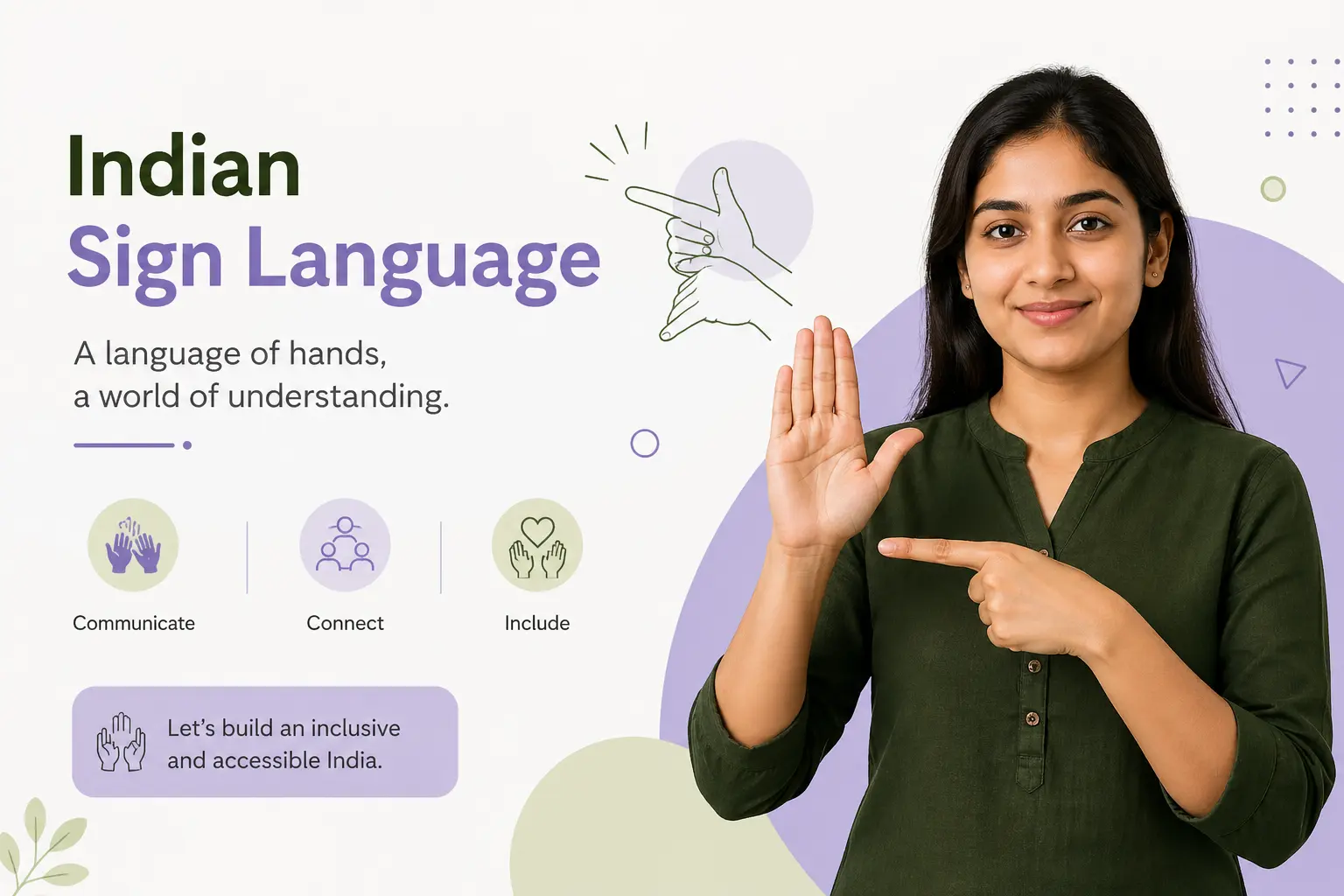
- ISL video profiles replace traditional resumes
- Employers are guided, not confused
- Inclusion is built-in, not added later

Know your rights
Laws protecting deaf people in India
Understand the laws that support your education, jobs, and daily life.
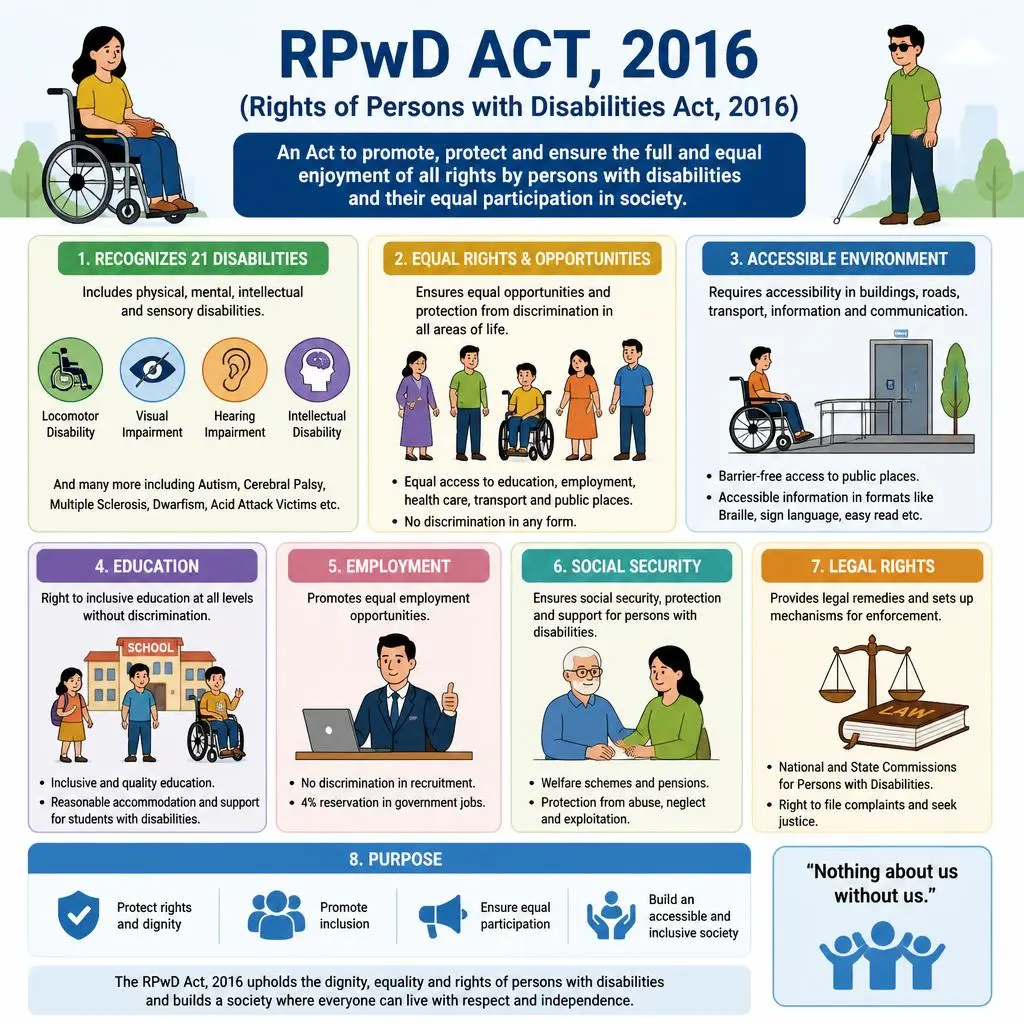
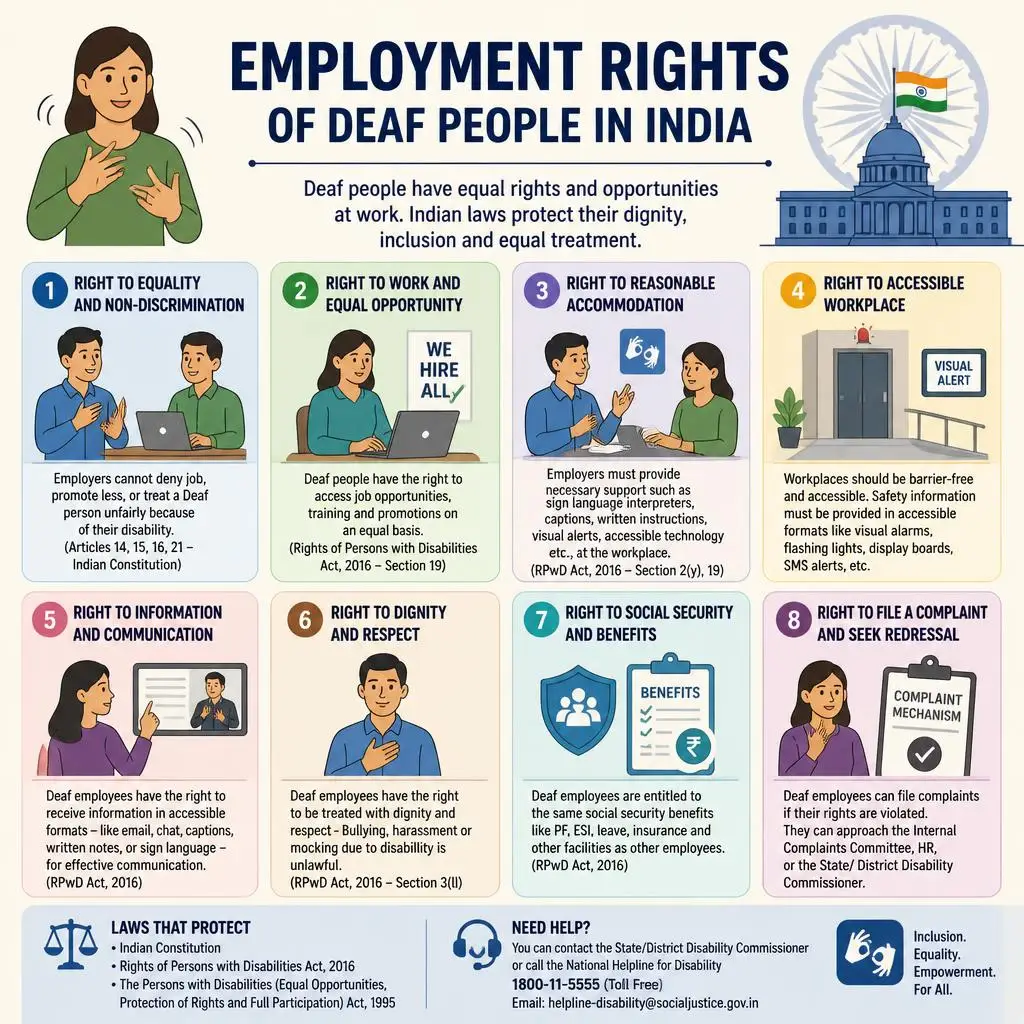

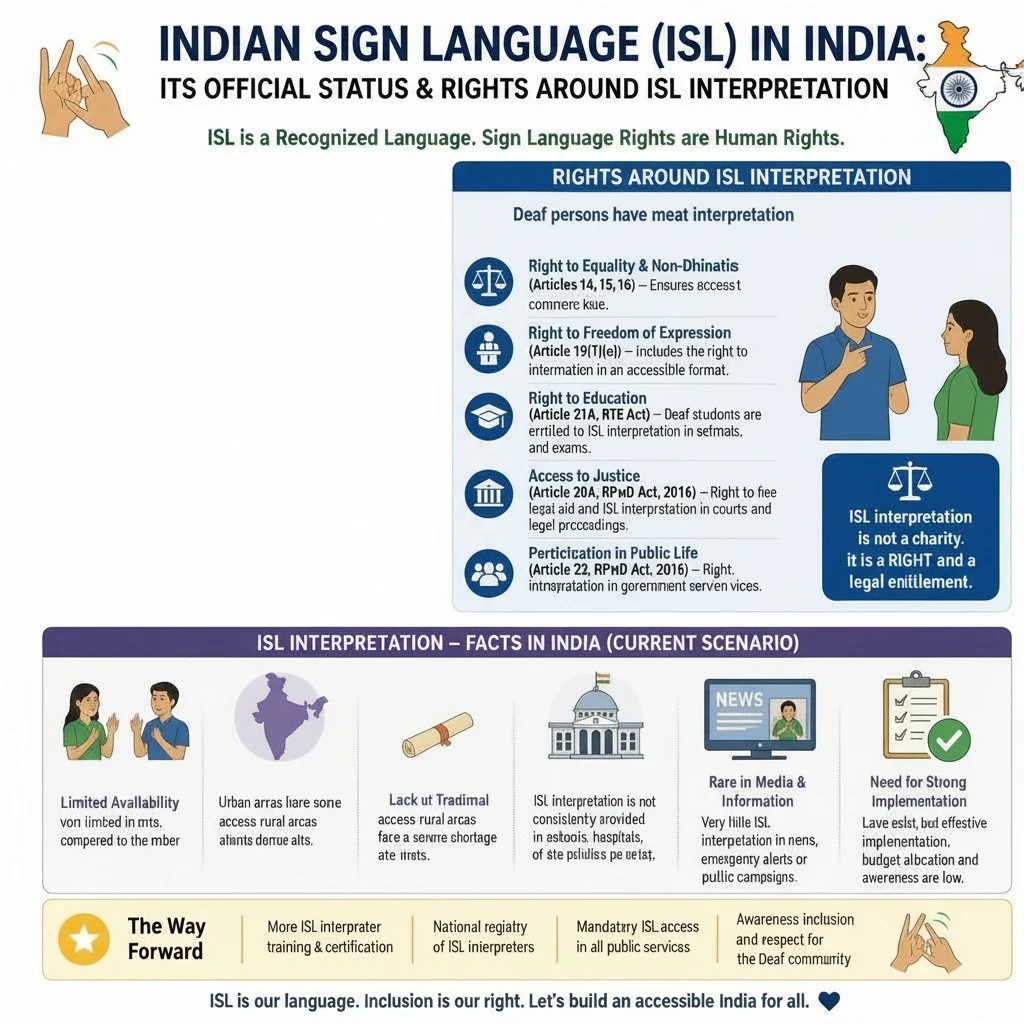
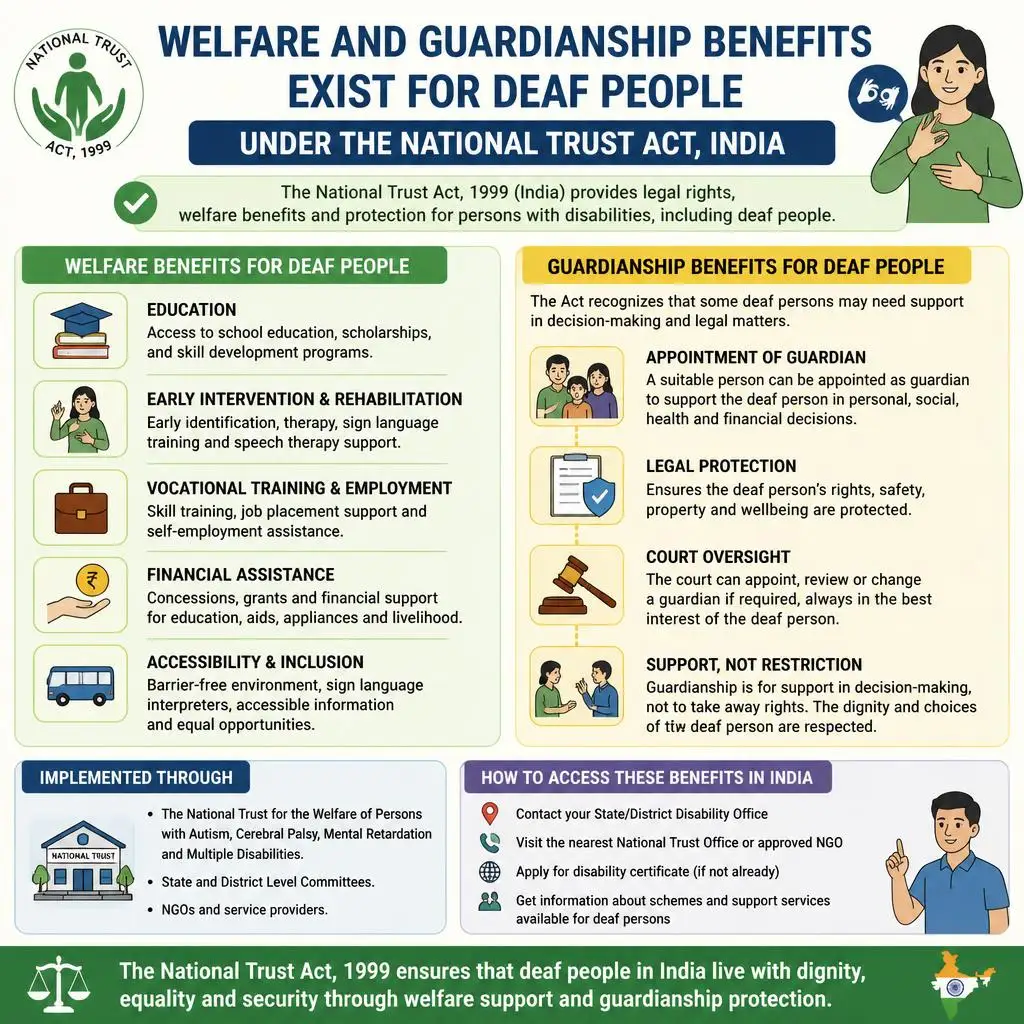
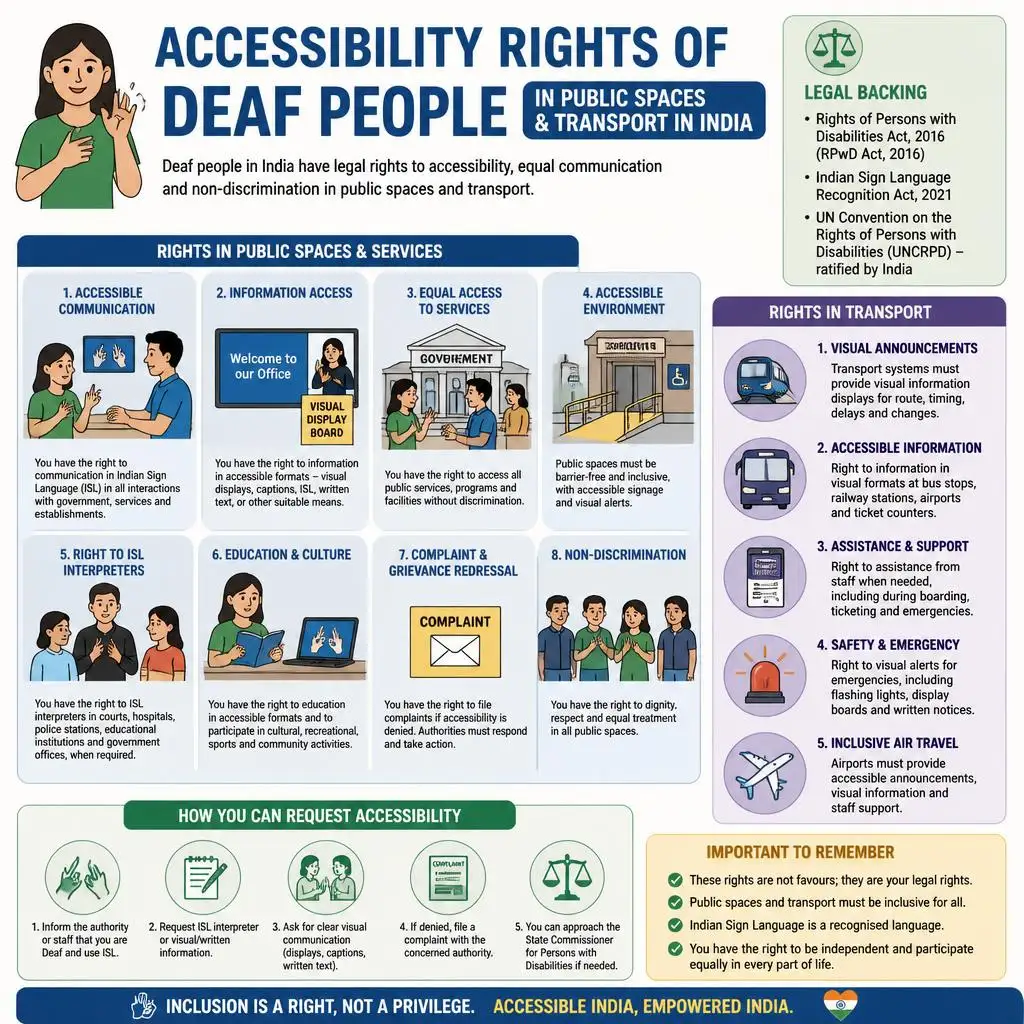
Why deaf jobs in India matter: the numbers that speak louder
FAQ
How do I find deaf jobs in India on Hearrise?
Finding deaf jobs in india on Hearrise is simple. Create your ISL video profile and get matched instantly.
Step 1 — Sign up Create a free account using your name, email, and location. No phone number required.
Step 2 — Fill your basic details Add your education, work experience, and the kind of job you are looking for. All text-based — no typing under pressure.
Step 3 — Record your ISL video intro Record a short 30 to 60 second video of yourself introducing yourself in Indian Sign Language. Tell employers who you are, what you do, and what you are looking for. You can re-record as many times as you want until you are happy with it.
Step 4 — Auto-captioning Once you upload your video, hearrise automatically generates captions so employers can read exactly what you signed. You can review and edit the captions before publishing.
Step 5 — Publish your profile Once you are happy, hit publish. Your profile is now visible to inclusion-ready employers on the platform.
No phone calls. No voice interviews. Just you, your skills, and your hands.
What government support is available for deaf job seekers in India?
The Indian government provides strong support for deaf jobs in India under the Rights of Persons with Disabilities (RPWD) Act, 2016 – including a 4% reservation in all government establishments.
Key government provisions include:
- 4% reservation in government jobs: All central government establishments must reserve 4% of posts for persons with benchmark disabilities — which includes Deaf and Hard of Hearing individuals.
- National Career Service Centres for SC/ST: These centres include services for persons with disabilities, including job placement assistance.
- UDID Card (Unique Disability Identity Card): Deaf individuals with a UDID card are eligible for all government disability benefits, including job reservations.
- Assistance to Disabled Persons (ADIP) Scheme: Provides assistive devices and support tools to help Deaf individuals access employment.
- Skill India and PMKVY: The Pradhan Mantri Kaushal Vikas Yojana includes training programmes accessible to Deaf candidates in various trades.
To access these benefits, Deaf job seekers should obtain their disability certificate from a government medical authority and apply for a UDID card at swavlambancard.gov.in.
How does the interpreter booking work for interviews?
Step 1 — The interview gets confirmed. Once an employer schedules your interview through Hearrise, you will receive a notification with the date, time, and format of the interview — whether it is in person or online.
Step 2 — Request an interpreter With one tap, you can request a certified ISL interpreter for your interview. You will see available interpreters, their experience, and their ratings from other job seekers.
Step 3 — Interpreter gets assigned Hearrise matches you with the best available interpreter based on your location, interview format, and timing. You will receive a confirmation with the interpreter’s name and contact details.
Step 4 — Pre-interview connect Before the interview, you and your interpreter get a short 10-minute virtual meeting to get comfortable with each other, go over key terms, and make sure everything is smooth.
Step 5 — Interview day Your interpreter joins the interview — either in person or via video call — and facilitates communication between you and the employer in real time, accurately and professionally.
Step 6 — After the interview Once the interview is done, you can rate your interpreter and share feedback. This helps us maintain quality across the entire network.
This is how Hearrise ensures every candidate applying for deaf jobs in India gets a fair, equal interview – at no cost to you.
How should employers communicate with deaf employees in India?
Employers hiring through Deaf jobs in India platforms like Hearrise receive full guidance on how to communicate effectively with Deaf employees – here are the most important practices.
Practical communication tips for employers:
- Use text and messaging apps as the primary channel: WhatsApp, Slack, or email should be the default for all day-to-day communication, not verbal announcements.
- Face the employee when speaking: If you are speaking to a Deaf employee who lip-reads, face them directly, speak clearly at a natural pace, and ensure good lighting on your face.
- Write it down: For important instructions, feedback, or updates, write it. This benefits the whole team, not just Deaf employees.
- Use video calls with captions for remote communication: Enable auto-captioning on all video calls. Google Meet, Zoom, and Microsoft Teams all offer this for free.
- Book an ISL interpreter for formal situations: Performance reviews, disciplinary meetings, training sessions, and onboarding should always include a certified ISL interpreter.
- Never speak on behalf of a Deaf employee: Allow them to communicate in their own way. Do not assume or interpret for them in social situations.
- Learn basic ISL greetings: Even a few signs – hello, thank you, good morning – show respect and build genuine rapport.
The golden rule when communicating with Deaf employees in India: ask them directly what works best for them. Every Deaf person communicates differently; some lip-read, some use ISL exclusively, and some prefer written text. Let them guide you.
What are the legal rights of deaf employees in India?
Every candidate seeking deaf jobs in India is protected by strong legal rights under the Rights of Persons with Disabilities (RPWD) Act, 2016 – one of the most comprehensive disability laws in Asia.
Key legal rights of Deaf employees in India:
- Right to equal opportunity: Employers cannot discriminate against a Deaf candidate or employee in hiring, promotion, salary, or any other employment condition solely on the basis of their disability.
- Right to reasonable accommodation: Employers are legally required to provide reasonable accommodations, such as ISL interpreters, captioning, and visual alerts – at no cost to the employee.
- Right against harassment: The RPWD Act prohibits harassment of employees on the basis of disability. Deaf employees have the right to a dignified, harassment-free workplace.
- 4% reservation in government jobs: Deaf and Hard of Hearing individuals are entitled to reserved seats in all central and state government establishments.
- Right to grievance redressal: Every establishment with 20 or more employees must have a Grievance Redressal Officer for disability-related complaints.
- Right to accessible communication: Employers must ensure that all workplace communication, including training, safety information, and HR processes, is accessible to Deaf employees.
If a Deaf employee in India faces discrimination or denial of reasonable accommodation, they can file a complaint with the Chief Commissioner for Persons with Disabilities at the national level or the State Commissioner at the state level.
Knowing your rights is the first step to claiming them.
Are there remote or work-from-home deaf jobs in India?
Yes, remote and work-from-home deaf jobs in India are among the fastest-growing opportunities, especially in IT, design, content, and data roles.
Remote deaf jobs that are particularly well-suited in India include:
- Graphic design and UI/UX
- Video editing and animation
- Data entry and analysis
- Content writing and copywriting
- Software testing and QA
- E-commerce product listing and management
- Social media management
- Online tutoring and sign language teaching
Remote work allows Deaf professionals to communicate primarily through text, video, and written tools, reducing dependence on phone calls and in-person verbal communication. Many Indian companies now offer hybrid or fully remote roles that are highly accessible for Deaf candidates.
Is there a mobile app for Hearrise?
Hearrise works on mobile browser today. A dedicated Android and iOS app is coming soon — sign up to be the first to know
What is the unemployment rate among deaf people in India?
The unemployment rate among those seeking deaf jobs in India is estimated at 72% – not because of lack of skill, but because most job platforms were never built for Deaf candidates.
This is not because Deaf individuals lack skill or ambition. The primary reasons are structural:
- Most job platforms rely on phone-based communication and voice interviews
- Very few employers have ISL interpreters or deaf-aware HR teams
- Traditional resumes and keyword-based screening systems disadvantage Deaf candidates
- Lack of awareness among employers about how to support Deaf employees
Despite these challenges, research consistently shows that Deaf employees demonstrate high levels of focus, loyalty, and productivity in supportive workplaces. The gap is not in talent; it is in access.
With over 18 million Deaf and hard of hearing people in India, solving this employment gap is not just a social issue — it is one of the largest untapped talent opportunities in the country.
What is a UDID Card and do I need it to apply for deaf jobs in India?
A UDID Card (Unique Disability Identity Card) is the official government identity card for persons with disabilities in India and it is one of the most important documents for Deaf job seekers.
For deaf jobs in India, here is when you need it:
When UDID is required:
- Applying for the 4% reserved government deaf jobs in India
- Accessing railway concessions and government scholarships
- Claiming benefits under the RPWD Act 2016
- Applying for government skill training subsidies like PMKVY
When UDID is NOT required:
- Applying for private sector deaf jobs in India through Hearrise
- Creating your ISL video profile on Hearrise
- Remote or freelance opportunities
How to get your UDID Card:
- Get a disability certificate from a government hospital ENT specialist
- Apply online at swavlambancard.gov.in
- Upload your certificate and ID proof
- Your UDID Card is issued within 30 days and is free of charge
Having a UDID Card significantly increases your access to deaf jobs in India especially in the government sector. We strongly recommend every Deaf job seeker in India apply for one even if you are targeting private sector roles.
Blogs
Hearrise shares practical guides on finding deaf jobs in India, building inclusive workplaces, and hiring deaf talent. From candidate career stories to employer hiring tips, everything is in one place.

Connect with Hearrise – Deaf Jobs in India
Have a question about finding deaf jobs in India? Want to partner with us? Looking as an employer or interpreter? Reach out and our team will get back to you within 24 hours.